Kelley's Sewage Cleanup
Moville, IA · 51039 Basements · Bathrooms · Crawl Spaces · Businesses

Basement Sewage Cleanup in Moville, IA Near Me

Sewage on a basement floor, bare utility room or finished family room. A local crew extracts, tears out and dries.

Sewage Backup Cleanup
Local Cleanup Crews
Category 3 Procedures
Homes and Businesses

Basements take the brunt of most sewage backups because they sit below the rest of the plumbing. The water finds the floor drain, the basement toilet or the laundry standpipe, and from there it spreads across the slab. Basement sewage cleanup in Moville, IA looks very different depending on whether the space is bare concrete or finished living area, and we connect you with local crews that handle both.

Unfinished basements

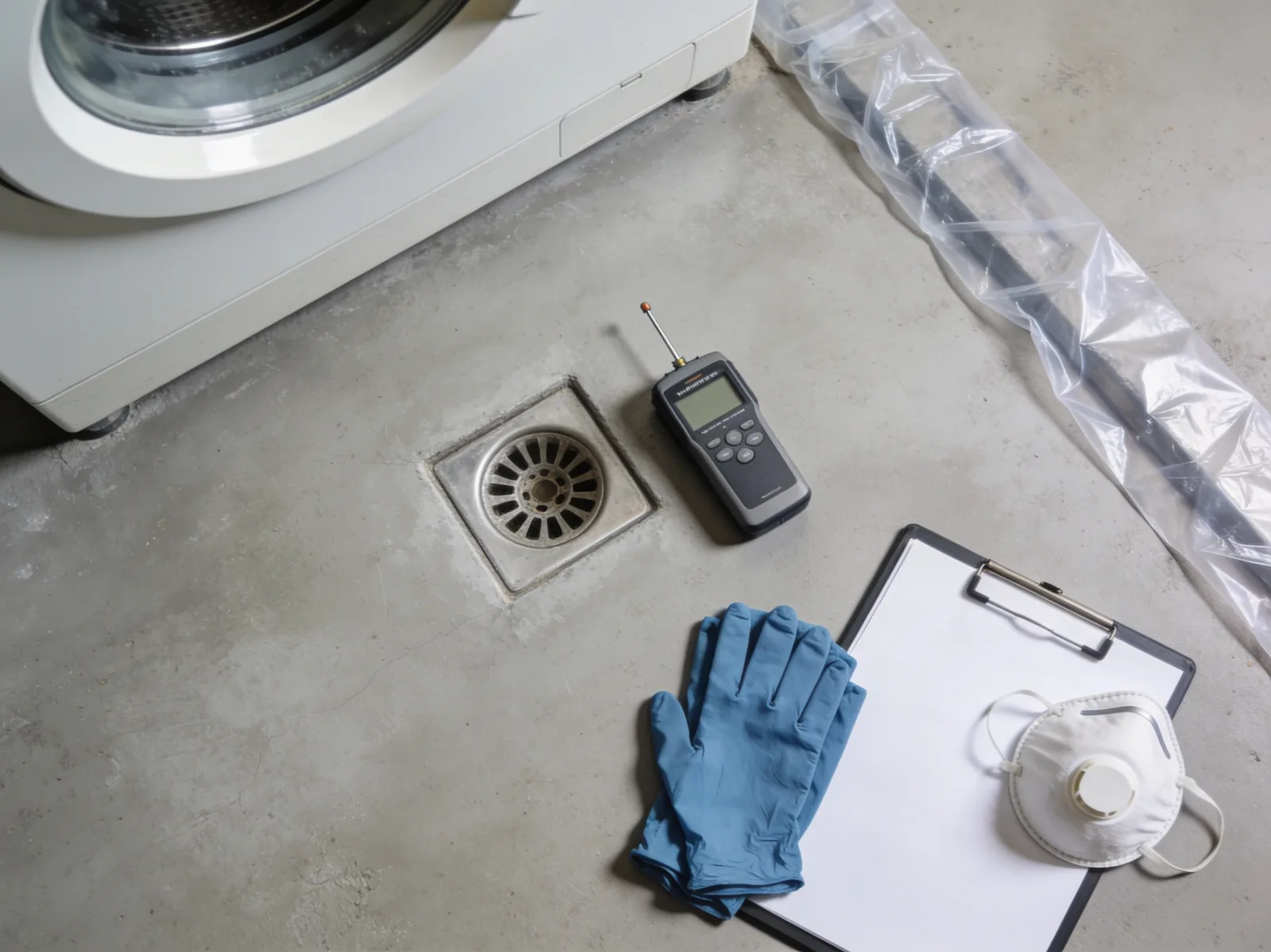
A bare concrete basement is the easier case. The crew pumps out the water, removes the sludge, scrubs the slab and foundation walls, and applies disinfectant with the proper contact time. Things stored on the floor are the main loss: cardboard boxes, rugs, paper and fabric usually go. Plastic bins, metal shelving and tools can often be cleaned. Wooden stairs and the bottom plate of any framed walls get checked with a moisture meter. Even in a bare basement, a dehumidifier usually runs for a few days afterward, because concrete holds water longer than it looks.

Finished basements

Finished space is where the cost climbs. Carpet and pad sit directly on the slab and soak up sewage fast. Drywall wicks water upward. Insulation in the walls holds moisture for a long time. A typical finished basement job includes:

  • Pulling carpet, pad and tack strip
  • Removing baseboards and making a flood cut on the drywall
  • Bagging wet insulation from the wall cavities
  • Removing laminate or vinyl plank if water got underneath
  • Disinfecting the slab, studs and bottom plates
  • Drying with air movers and dehumidifiers for several days

The wall work is explained in detail under drywall removal after a backup.

Mechanical equipment

Furnaces, water heaters and washers often sit in basements. If sewage reached them, have the right trade look at the equipment before you use it, especially anything with burners or electrical parts near the floor. Leave the electrical panel alone if you have to stand in water to reach it. Ductwork that runs along the floor or has returns near it may also need a look.

Why it keeps happening

Basements that back up more than once usually have a line problem: roots, a sagging pipe, or a city main that surcharges in storms. A plumber can camera the line, and some homeowners add a backwater valve. Most backups come in through the drain in the slab, which is covered on our page for floor drain backup cleanup, and the city side is covered under sewer backup cleanup.

Keep children and pets out of the basement and wear boots and gloves if you have to go down. Call (217) 404-1483 and we will connect you with a crew that does basement sewage cleanup in Moville, IA.
How cleanup works

Four steps to a clean, dry space in Moville, IA

01

Stop the water

Shut off every fixture, keep kids and pets out, and take photos from a dry spot. Then call and tell us where the sewage is.

02

Get matched with a crew

We connect you with a local sewage cleanup crew covering Moville, IA and you go over the scope, timing and price with them.

03

Extract and remove

The crew pumps out the sewage, bags solids and cuts out carpet, pad and drywall that soaked it up.

04

Disinfect and dry

Hard surfaces get cleaned and disinfected, then air movers and dehumidifiers run until moisture readings show dry.

Coverage

Sewage Cleanup Across Moville, IA

Sewage backup cleanup across the neighborhoods and ZIP codes around Moville, IA.

ZIP codes we serve

51039
Basement Sewage Cleanup in Moville, IA

Sewage cleanup FAQs

Frequently asked questions about sewage cleanup

Questions we hear most about Basement Sewage Cleanup in Moville, IA.

Talk to a real person
How much does sewage cleanup cost in Moville, IA?
<p>There isn't a single number, because the price is built from the job itself. The big drivers are the square footage affected, how deep the water got, how long it sat, and how much material has to be torn out and hauled away. Finished basements with carpet and drywall cost more than bare concrete. Drying days, containment and disinfection add to it. A crew can only price it after seeing the space and taking moisture readings, so ask them to walk you through each part of the <a href="/services/sewage-damage-cleanup">damage cleanup</a> scope.</p>
Can I clean up a sewage backup myself?
<p>A small spill on tile from a clogged toilet, caught right away, is something many people handle with gloves, detergent and a disinfectant. Anything bigger is a different story. Sewage that soaked into carpet, drywall or subfloor has to be removed, not just wiped, and the structure needs drying with meters to confirm it. Household bleach on a dirty floor doesn't do the job. If it spread past one room or reached finished materials, a crew that does <a href="/services/sewage-backup-cleanup">sewage backup cleanup</a> is the safer route.</p>
How long does sewage cleanup take?
<p>Extraction and tear-out usually happen in the first day or so. Drying is the longer part. Most structures need three to five days with air movers and dehumidifiers running, sometimes more in a humid basement or with thick materials like hardwood subfloor. The crew should take moisture readings each visit and leave the equipment until materials reach dry targets. Rebuilding comes after that and depends on the contractor. A small toilet overflow on tile can be done much faster than a finished basement.</p>
Can carpet be saved after a sewage backup?
<p>Generally no. Under the industry standard for water damage, carpet and pad that touched sewage are treated as unsalvageable and removed. Sewage is classed as <a href="/services/category-3-water-cleanup">Category 3 water</a>, the most contaminated type, and the pad acts like a sponge that can't be reliably disinfected. Area rugs are sometimes sent out for specialty cleaning, but most crews and adjusters treat wall-to-wall carpet and pad as a loss. Tile, concrete and sealed floors can usually be cleaned and disinfected in place.</p>
Can I use bleach to disinfect after a sewage spill?
<p>Bleach has limits here. It breaks down when it hits organic matter, so it works poorly on a floor that hasn't been cleaned first. It does nothing for porous materials like carpet pad or drywall, which need to come out. And mixing it with ammonia-based cleaners releases dangerous fumes. Crews clean surfaces with detergent first, then apply an EPA-registered disinfectant and leave it for the contact time on the label. If you are tempted to bleach it and move on, call (217) 404-1483 first.</p>

Book sewage cleanup

Sewage Backup in Moville, IA? Call now.

Tell us where the sewage is and we connect you with a cleanup crew covering Moville, IA. Scope, timing and price are gone over on the call. (217) 404-1483.

Call (217) 404-1483 Services